Skip to content
Top-rated outdoor gear, ranked

Best Of 2026

Best Adventure Satellite Messengers of 2026

Our top 9 picks, independently ranked. Budget to premium.

A satellite messenger is the one piece of gear that turns "we lost cell signal hours ago" from a genuine emergency into a minor inconvenience. For hikers, backpackers, and adventure travelers heading past the last bar of coverage, these pocket devices ride global satellite networks (Iridium and Globalstar) to send a text, share a location, pull a weather forecast, or trigger an SOS that reaches a 24/7 rescue coordination center. In 2026 the category has never been stronger, with Garmin's inReach line setting the pace and credible alternatives from ZOLEO, ACR, and SPOT covering every budget.

Two costs matter, and buyers routinely forget the second. The device is a one-time purchase, but every unit on this list also needs an active subscription to do anything over satellite, and those plans run from roughly $8 to $50 a month depending on how many messages you send. A cheaper device paired with an expensive plan can cost more over two seasons than a pricier device on a lean plan, so read the tiers below with both numbers in mind.

This guide spans the full spectrum on purpose. At the low end you get one-way SOS beacons and app-paired texters that keep the hardware cheap. At the high end you get standalone color touchscreens, photo and voice messaging, and full topographic navigation in a single rugged handheld. We ranked by how well each device serves someone walking into the backcountry, not by price, so the smart mid-range buy sits near the top and the flagship sits where its size and cost actually make sense.

At a glance

#ProductPrice
1$450–$510
2$250–$300
3$300–$400
4$150–$200
5$350–$500
6
Bivy Stick

ACR Electronics

$200–$250
7$550–$600
8$200–$250
9$100–$150
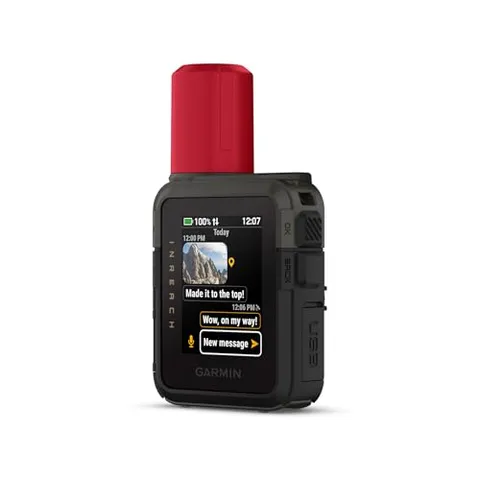
inReach Mini 3 Plus
Best OverallPremium

1. inReach Mini 3 Plus

Garmin

$450–$510

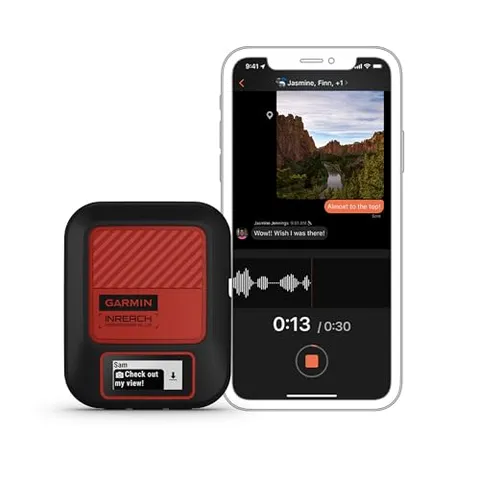
Garmin took its tiny, trail-proven messenger and added a color touchscreen, photo and voice messaging, and a bigger battery, producing the most capable pocket satellite communicator you can buy in 2026. It does everything most backpackers will ever ask of one, without the bulk of a full handheld.

Best for: Backpackers who want the best all-around messenger and will pay for photo and voice

Sends photos and 30-second voice notes over satellite, not just text · Fast, reliable Iridium messaging with interactive SOS to Garmin Response · Up to 350 hours of battery in 10-minute tracking mode · Palm-sized at about 4.4 oz and waterproof

Around $500, it is one of the priciest pocket messengers · Touchscreen needs bare fingers, which is awkward in winter gloves
inReach Messenger
Best ValueMid-range

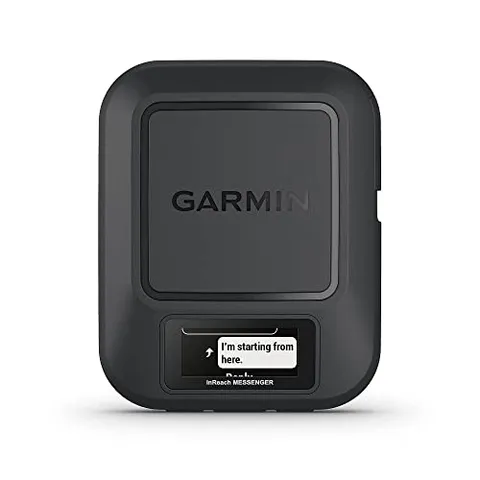
2. inReach Messenger

Garmin

$250–$300

For most hikers this is the smart buy: full two-way Iridium texting, SOS, and location sharing in a rugged puck with an enormous battery, for a couple hundred dollars less than the Mini line. It skips onboard maps and photo messaging, and most people never miss them.

Best for: Value-minded hikers who want reliable two-way texting and marathon battery life

Up to 28 days of battery in 10-minute tracking mode, best in its class · Global two-way texting and interactive SOS through Iridium · Can top up your phone battery in a pinch · Plans start around $15 a month

No onboard maps, it leans on the paired phone app for routing · Monochrome screen is built for messaging, not navigation

inReach Mini 2
Mid-range

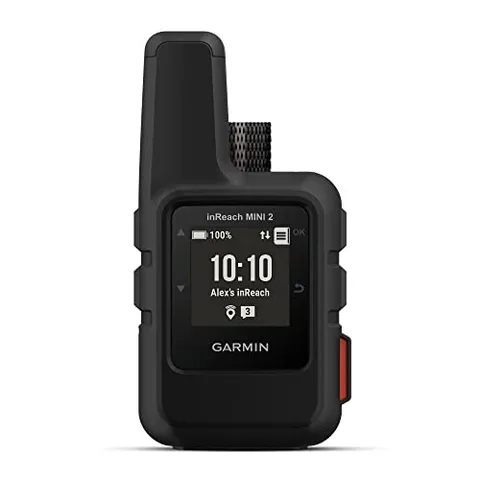
3. inReach Mini 2

Garmin

$300–$400

The device that defined the modern trail messenger is still an excellent pick in 2026, now often discounted below newer models. It is lighter than the Mini 3, runs on physical buttons that work with any glove, and delivers Garmin's proven two-way messaging and SOS.

Best for: Cold-weather and winter users who want the lightest reliable two-way messenger

Very light at about 3.5 oz with a clip-anywhere footprint · Physical buttons work in gloves and cold, no touchscreen needed · Proven Iridium two-way texting, tracking, and SOS · Frequently on sale now that the Mini 3 has launched

Tiny monochrome screen makes typing on the device slow · No photo or voice messaging

ZOLEO Satellite Communicator
Editor's PickBudget

4. ZOLEO Satellite Communicator

ZOLEO

$150–$200

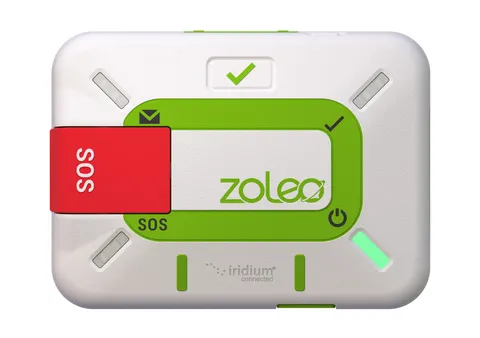
ZOLEO undercuts Garmin on both hardware and plans while riding the same Iridium network, and it adds a genuinely clever trick: a dedicated phone number and email address that let messages flow across cell, Wi-Fi, or satellite. It is the value pick that does not feel like a compromise.

Best for: Budget-conscious adventurers who want Iridium reliability without Garmin pricing

Rides the reliable Iridium network at a lower entry price · Dedicated SMS number and email that follow you across cell, Wi-Fi, and satellite · Rugged IP68 waterproof build with long standby battery · Simple app with clear message-delivery status

No standalone screen, it needs the paired phone for full messaging · Message-limited plans can get pricey if you text a lot

inReach Messenger Plus
Premium

5. inReach Messenger Plus

Garmin

$350–$500

The Messenger Plus keeps the standard Messenger's huge battery and grippy puck shape but adds photo and voice messaging over satellite. Choose it over the Mini 3 Plus if you want the richest messaging and do not care about an onboard map.

Best for: Communicators who want photo and voice messaging but not a navigation screen

Adds satellite photo and 30-second voice messages to the Messenger formula · Long battery life measured in weeks, not days · Global Iridium coverage with interactive SOS to Garmin Response · Reserve power to recharge a phone

Premium price close to the more versatile Mini 3 Plus · No onboard navigation or topo maps

Bivy Stick
Budget

6. Bivy Stick

ACR Electronics

$200–$250

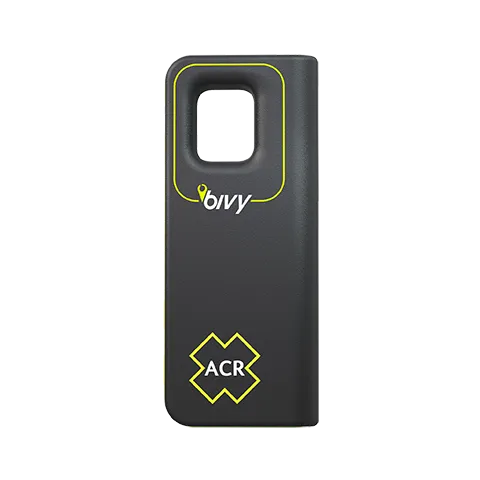
ACR's screenless, app-paired messenger delivers full two-way Iridium texting, tracking, and SOS at a friendly price, with flexible plans you can start and stop by trip. It is a strong occasional-user value from a company known for emergency beacons.

Best for: Occasional backcountry travelers who want two-way messaging without a year-round plan

Full two-way Iridium messaging and SOS at a low device price · Flexible monthly plans that suit seasonal or occasional use · Compact and light, pairs to the Bivy app for maps and weather · Backed by a trusted emergency-beacon maker

No standalone screen, fully dependent on the phone app · Interface and delivery speed trail Garmin's polish

GPSMAP 67i
Best PremiumPremium

7. GPSMAP 67i

Garmin

$550–$600

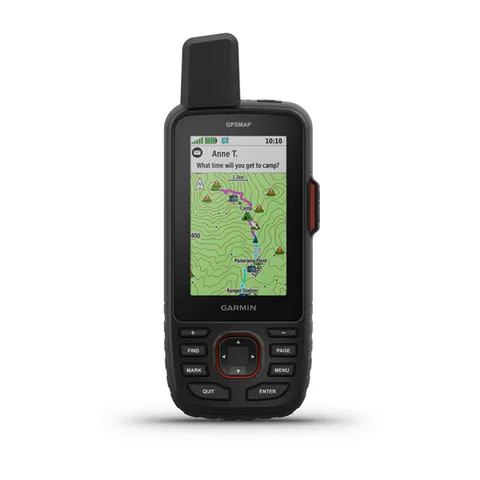
This is a full topographic handheld GPS with inReach satellite messaging built in, aimed at hunters, off-trail navigators, and expedition hikers who want one rugged device for both routing and rescue. The 3-inch color screen, physical buttons, and multi-band GNSS justify the size and price for serious navigators.

Best for: Hunters and off-trail navigators who want mapping and satellite SOS in one device

Onboard TopoActive maps on a 3-inch color screen with button controls · Multi-band GNSS for strong accuracy under canopy and in canyons · Two-way Iridium messaging and interactive SOS in the same unit · Long battery life for a full-feature handheld

Heavy and bulky at about 8 oz next to a pocket messenger · At roughly $600 it is the most expensive pick here · Overkill if you only want to text and trigger SOS

SPOT X (with Bluetooth)
Mid-range

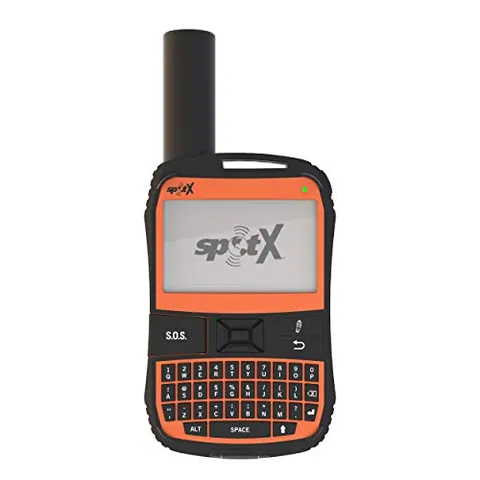
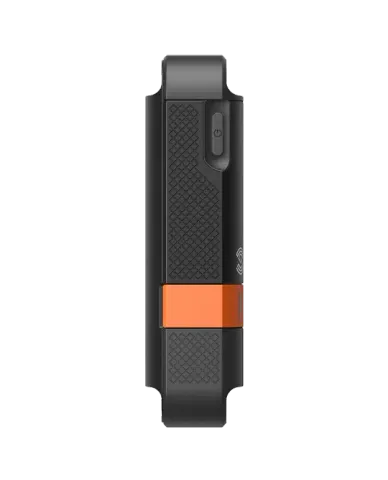
8. SPOT X (with Bluetooth)

SPOT

$200–$250

The SPOT X stands out for a physical QWERTY keyboard and its own mobile number, letting you type real two-way messages on the device itself with no phone attached. It rides the cheaper Globalstar network, which keeps running costs down for North American travel.

Best for: North American hikers who want a standalone keyboard messenger with no phone required

Built-in QWERTY keyboard for typing messages without a phone · Comes with its own two-way SMS number and email address · Lower-cost Globalstar plans for travel across North America · Standalone screen with a navigation compass

Globalstar has coverage gaps at high latitudes and some remote regions · Larger and heavier than pocket-puck messengers

SPOT Gen4
Best BudgetBudget

9. SPOT Gen4

SPOT

$100–$150

The cheapest way onto satellite safety, the Gen4 is a one-way beacon that sends preset check-ins, tracks your route, and fires an SOS to a rescue center. There is no two-way texting, but as a glovebox or day-hike safety net at this price it is hard to argue with.

Best for: Day hikers and casual users who want an affordable SOS and tracking beacon

Lowest device price of any pick here · Simple one-button SOS and preset check-in messages · Route tracking and long runtime on AAA batteries · Tiny and light enough to forget you packed it

One-way only, you cannot receive replies or confirm delivery · Globalstar coverage gaps and no custom free-text messaging

How we choose

We built this list from hands-on reviews and testing published through 2026 across independent outlets (OutdoorGearLab, Switchback Travel, Backpacker, GearJunkie, DC Rainmaker, and others), cross-checked against manufacturer specs and current US street prices. We weighed messaging reliability, the SOS response network, battery life, weight, ease of use with cold hands, and total cost of ownership including subscriptions. The three tiers reflect device price and capability: budget covers one-way beacons and screenless app-paired messengers under roughly $200, mid covers full two-way texting devices from about $200 to $400, and premium covers standalone touchscreen units with photo or voice messaging or onboard navigation. We accept no payment from any manufacturer for placement, and our rankings are independent. Retail links may earn us a commission at no cost to you, which never affects how a product scores.

Common questions

You need an active plan for the device to do anything over satellite, including SOS. Garmin, ZOLEO, ACR, and SPOT all sell low-cost tiers meant for exactly this case, often under $15 a month, and several let you suspend or switch plans by season. Buying the hardware alone and expecting it to call for help while unactivated is the most common and most dangerous mistake new buyers make.

A one-way device like the SPOT Gen4 can send preset check-ins, track your route, and fire an SOS, but it cannot receive a reply, so you never know if your message landed. A two-way device lets you exchange real text messages with family or with rescuers, confirm that help is coming, and describe your situation. For most hikers the confirmation alone is worth stepping up to two-way.

Yes. Garmin inReach, ZOLEO, and the ACR Bivy Stick ride the Iridium network, which has true pole-to-pole coverage and generally more reliable delivery under tree cover. SPOT devices use Globalstar, which is strong across North America and cheaper to run but has gaps at extreme latitudes and in some remote regions. If you travel internationally or into deep wilderness, favor Iridium.

Phone satellite texting is a fine backup for roadside trouble, but it is not a substitute on a real backcountry trip. Dedicated messengers hold a signal better under canopy, run for days or weeks on a charge, survive drops and rain, and connect your SOS to a professional rescue coordination center. Carry both if you like, but do not let the phone feature talk you out of a proper device.

It depends heavily on tracking frequency. In 10-minute tracking mode, a Garmin inReach Messenger can run close to a month, a Mini 2 or Mini 3 lasts one to two weeks, and screen-heavy navigation units like the GPSMAP 67i land closer to a week. Lengthen your tracking interval and keep the device in airplane mode between check-ins, and every option here lasts far longer than its headline rating suggests.

Yes. Garmin routes SOS to Garmin Response, ACR and SPOT route to an established coordination center, and ZOLEO uses a global rescue coordination partner. All operate around the clock, relay your GPS location, and on two-way devices trade messages with you while they dispatch local search and rescue. This is the core reason to carry one.

Some links are affiliate links, and we may earn a commission at no extra cost to you. It never affects our rankings.

In your pocket

Take the whole adventure with you.

Free, no account needed. GPS tracking, trail maps, and wildfire alerts in your pocket.

  • Every tour and outfitter in your pocket

  • GPS-track the whole day, hands-free

  • Wildfire alerts near where you’re headed

  • GPS tracking that keeps recording past the trailhead

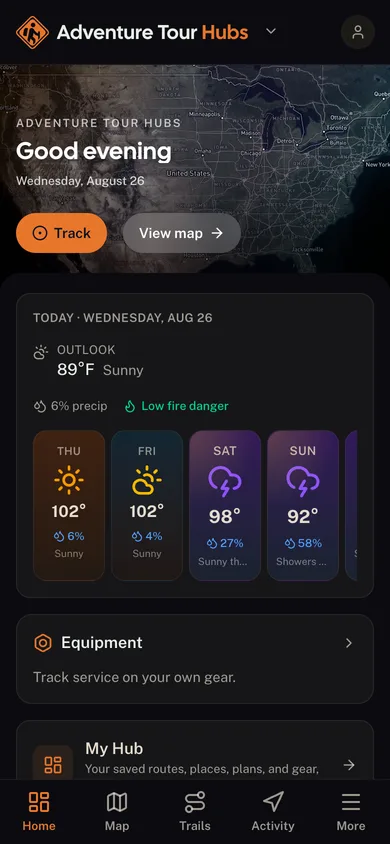
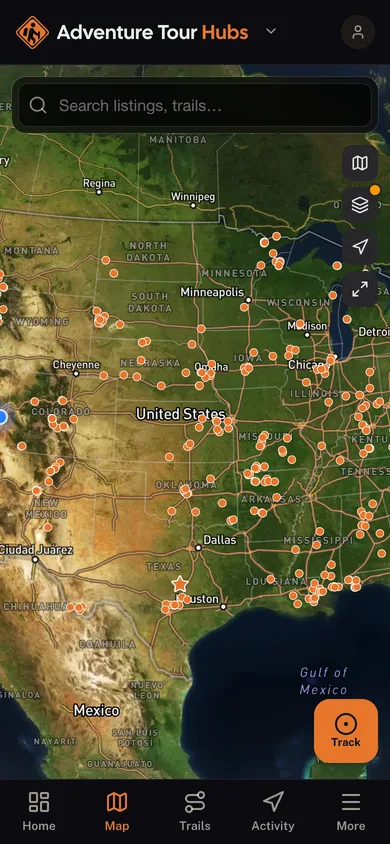
The Adventure Tour Hubs app dashboard

For operators

Run your adventure business?
Launch your branded surface.

Get your own branded surface in the Adventure Tour Hubs app and a directory listing in minutes. bookings, digital waivers, and your whole operation in one cockpit.