Skip to content
Top-rated outdoor gear, ranked

Best Of 2026

Best Adventure Sleeping Bags of 2026

Our top 10 picks, independently ranked. Budget to premium.

A sleeping bag is the single piece of gear most likely to make or break a night in the backcountry, and it is also where the price spread is widest. You can spend $100 or you can spend $700 on a bag that carries the same "20 degree" label, and the difference shows up in three places that matter on trail: how much it weighs, how small it packs, and how warm it actually sleeps. Amazon's listings rarely make those trade-offs legible, so this guide maps the real market from entry-level synthetics to boutique down, with hikers, backpackers, and adventure travelers specifically in mind.

The core divide is down versus synthetic. Goose or duck down gives you far more warmth per ounce and packs down smaller, which is why nearly every ultralight bag uses it, but it is expensive and loses loft if it gets soaked. Synthetic fill is heavier and bulkier for the same warmth, yet it costs less and keeps insulating when damp, which makes it a sane starting point for new backpackers and wet climates. Fill power (the loft rating on down, from roughly 650 up to 950) tells you the quality of the down, not the total warmth. Total warmth comes from how much down is stuffed inside and how the bag is built.

One more thing to know before you shop: the temperature number on the tag is usually the ISO or EN Limit rating, which is the point at which a warm sleeper survives, not sleeps comfortably. The Comfort rating, typically 10 to 15 degrees warmer, is the honest number for most people, and it is the one we lean on below. We have organized picks into budget, mid, and premium tiers so you can see exactly what each jump in price buys you.

At a glance

#ProductPrice
1
Swallow UL 20

Feathered Friends

$659–$729
2$379–$429
3
Parsec 20

Therm-a-Rest

$440–$470
4
UltraLite 20

Western Mountaineering

$640–$680
5$260–$300
6
Revelation (850 FP, 20°F)

Enlightened Equipment

$305–$385
7$180–$210
8$360–$400
9$149–$189
10$99–$129
Swallow UL 20
Best OverallPremium

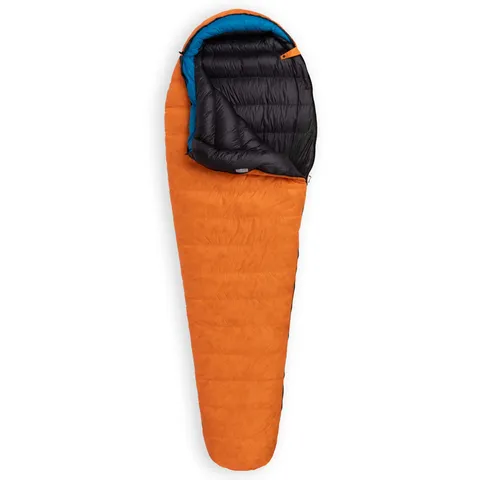
1. Swallow UL 20

Feathered Friends

$659–$729

A boutique Seattle-made down bag that has topped tester rankings for years running, and the 2026 update trims weight while adding a more water-resistant Pertex shell. It is the bag to buy once, if the budget allows.

Best for: Serious backpackers who want one do-it-all down bag for the long haul

Exceptional 900+ fill-power down for elite warmth-to-weight · Refined draft collar, zipper baffle, and roomy foot box · New Pertex Quantum Pro shell sheds moisture better · Weighs about 1 pound 10.6 ounces

Premium price puts it out of reach for casual users · Sold mostly factory-direct, so harder to try in person

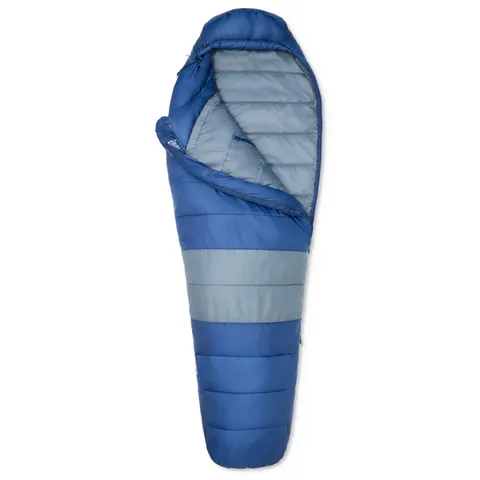
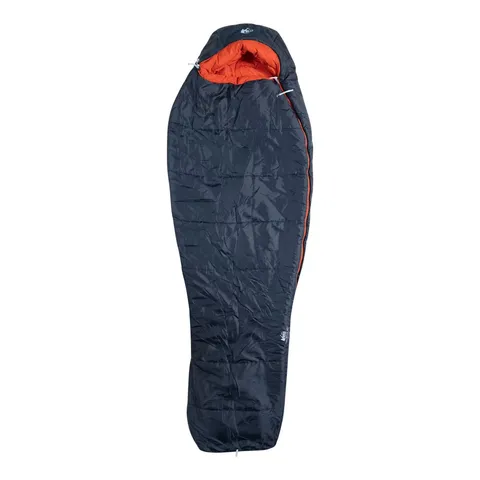
Co-op Magma 15
Best ValueMid-range

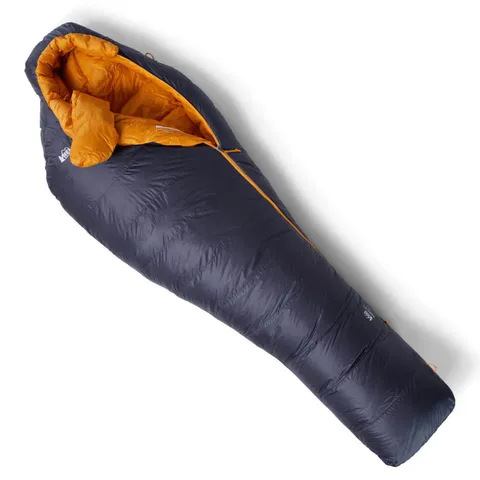
2. Co-op Magma 15

REI

$379–$429

The value benchmark that talented ultralight bags get measured against, offering 850-fill down and premium build quality for hundreds less than the boutique brands. For most backpackers it is the smartest money in this guide.

Best for: Backpackers who want premium down performance without the premium price

850-fill hydrophobic down at a mid-tier price · Light and packable at roughly 1 pound 15 ounces · Well-shaped hood, draft collar, and comfortable cut · Frequently discounted during REI sales

Still a real investment for beginners · Not quite as light as $650 boutique bags

Parsec 20
Editor's PickPremium

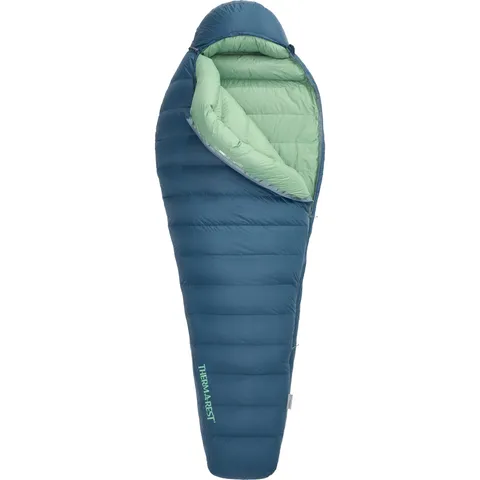
3. Parsec 20

Therm-a-Rest

$440–$470

A near-ultralight down bag that hits a rare sweet spot: 900-fill down and a warmth-boosting reflective lining at a price below the true boutique tier. The 2026 version upgrades the fill and shell for even better efficiency.

Best for: Weight-conscious hikers who want high-fill down without a $650 price tag

900-fill-power hydrophobic down for top warmth-to-weight · Very light at about 1 pound 15 ounces (regular) · Toe-asis foot warmer pocket and zoned baffles · Made with 20-denier recycled nylon shell

Snug fit compared with roomier mid-tier bags · Still a premium outlay

UltraLite 20
Best PremiumPremium

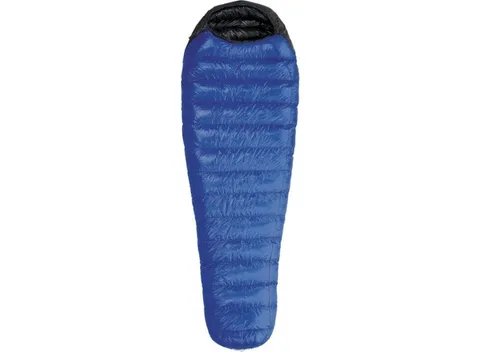
4. UltraLite 20

Western Mountaineering

$640–$680

The long-standing gold standard for durable, meticulously built down bags, with continuous-baffle construction and generous fill that sleeps warmer than its rating suggests. Buy it and you may never need another.

Best for: Cold-leaning backpackers who prize warmth and a bag that lasts decades

Hand-built in the USA with high fill weight for real cold-weather margin · Legendary durability that outlasts cheaper bags · Full-length draft tube and warm collar · Holds resale value exceptionally well

Among the most expensive bags here · Classic mummy cut runs snug for broad sleepers

Disco 15
Mid-range

5. Disco 15

NEMO

$260–$300

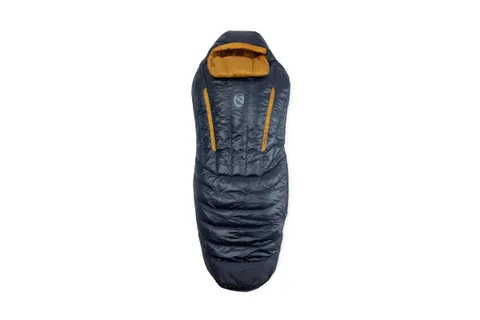
A spoon-shaped down bag with extra room at the knees and elbows, built for side sleepers and anyone who feels trapped in a traditional mummy. Thermo Gills let you vent heat without opening the whole zipper.

Best for: Side sleepers who want down comfort without a tight mummy fit

Roomy spoon shape suits side and restless sleepers · Thermo Gills dump heat on warmer nights · Quality down fill with insulated draft collar · Reasonable price for a comfort-focused down bag

Heavier and bulkier than mummy-cut down bags · Extra room can sleep cooler on cold nights

Revelation (850 FP, 20°F)
Mid-range

6. Revelation (850 FP, 20°F)

Enlightened Equipment

$305–$385

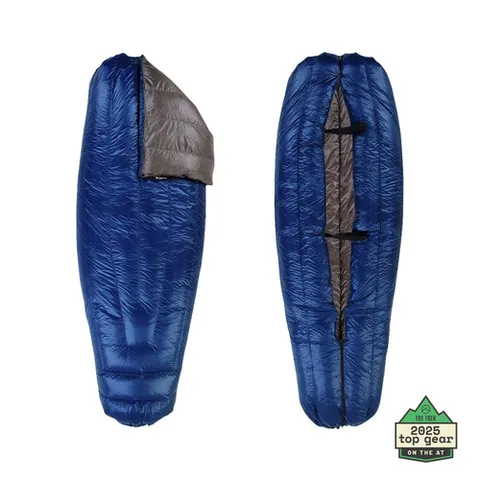
A hugely versatile down quilt you can build to your exact length, width, temperature, and fill grade. The footbox opens flat for warm nights and cinches closed for cold ones, making it one setup for many conditions.

Best for: Ultralight hikers who want a do-anything quilt tuned to their body

Highly customizable temperature, size, and 850 or 950 fill · Excellent pad-attachment system and adjustable footbox · Lighter and more packable than a comparable mummy bag · Doubles as a ground or hammock quilt

Quilts take practice to seal drafts on cold nights · Custom orders can carry a wait time

Cosmic Down 20
Best BudgetBudget

7. Cosmic Down 20

Kelty

$180–$210

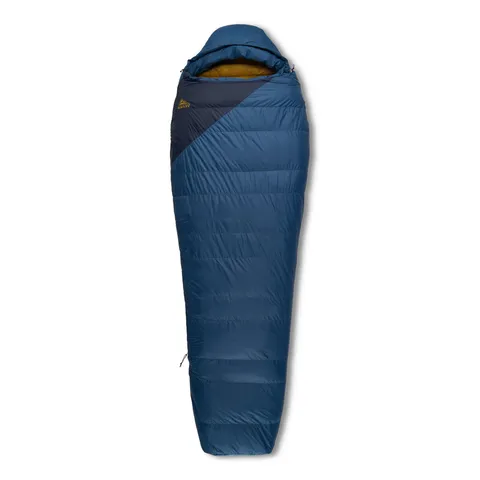
The bag that made affordable down backpacking normal, with an ISO Comfort rating around 31 degrees and solid, no-nonsense construction. It carries a few extra ounces, and for the price almost nobody minds.

Best for: New backpackers who want down warmth without overspending

Real down insulation at a genuine budget price · Well made and durable for the money · Compresses reasonably well at about 2 pounds 7 ounces · Great first down bag for new backpackers

Lower fill power means more weight and bulk than premium down · Basic feature set compared with pricier bags

Riff 15
Mid-range

8. Riff 15

NEMO

$360–$400

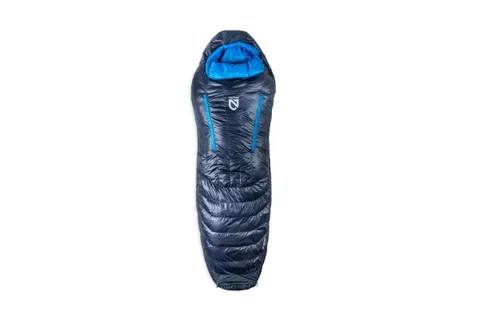
The trimmer, feature-rich cousin of the Disco, with 800-fill down, Thermo Gills, and a spoon shape aimed at side sleepers who find the Disco too roomy. A comfortable pick when weight is not your top concern.

Best for: Side sleepers wanting extra features in a snugger-than-Disco cut

800-fill down with side-sleeper spoon shape · Thermo Gills for easy temperature control · Endless Promise version emphasizes recyclable materials · Plush, high-quality fabrics

Heavy for its warmth at over 2.5 pounds · Roomier bags cost less for casual use

Trestles Elite Eco 20
Budget

9. Trestles Elite Eco 20

Marmot

$149–$189

Possibly the warmest, most affordable synthetic bag on the market, built entirely from recycled fabric and fill that keeps insulating even when moisture creeps in. Bulk and weight are the price you pay for the savings.

Best for: Budget campers and short-trip backpackers in wet climates

Very warm for the price with lofty synthetic fill · 100% recycled fabrics and insulation · Keeps you warm when damp, unlike down · Durable, forgiving construction

Heavy at over 3.5 pounds · Bulky packed size suits short trips more than long miles

Co-op Trailbreak 20
Budget

10. Co-op Trailbreak 20

REI

$99–$129

A no-frills synthetic bag designed to get first-time backpackers outside for the least money. It is not light or packable, but as a value entry point it is hard to argue with.

Best for: First-time backpackers testing the waters on a tight budget

One of the lowest prices for a rated 20-degree bag · Synthetic fill handles damp conditions · Simple, durable build with few failure points

Heavy and bulky at over 3 pounds · Basic comfort and warmth compared with pricier bags

How we choose

We built this list from hands-on gear-testing coverage and current retail listings rather than marketing copy, weighting each bag on warmth-to-weight, packed size, build quality, comfort features (draft collars, zipper baffles, foot boxes), and honest value at its price. Rankings reflect overall recommendation for three-season hiking and backpacking, not price order, so a $429 bag can outrank a $659 one when it serves more people better. The tiers are drawn by street price and intent: budget bags (roughly $100 to $200) prioritize getting you outside affordably and lean synthetic or lower-fill down; mid bags (roughly $250 to $430) deliver real warmth-to-weight with quality down for most backpackers; premium bags (roughly $450 and up) use ultra-high fill-power down and refined construction for the lightest, most packable, longest-lasting result. We have no financial relationship with any brand in this guide and were not paid or supplied to include any product. Retail links may earn a commission, which never affects placement or scoring.

Common questions

Choose down if weight and packed size are your priority and you can keep it reasonably dry, which describes most backpacking. It gives you the best warmth per ounce and lasts for years if cared for. Choose synthetic if you are on a tight budget, expect wet or humid conditions, or are still deciding how much you will use it, because synthetic keeps insulating when damp and costs far less. Many hikers start synthetic and upgrade to down once they know their needs.

Match the bag's Comfort rating, not the number on the tag, to the coldest night you expect, then add a small margin. The label temperature is usually the Limit rating, where a warm sleeper merely gets through the night. For general three-season use in most of the US, a bag rated around 20 degrees (Limit) with a Comfort rating near the low 30s covers spring through fall. If you sleep cold or camp at altitude, size down in temperature or add a liner.

For many gram-counting backpackers, yes. A quilt drops the hood and the crushed insulation under your back (which does nothing when you lie on it) and straps to your sleeping pad instead, saving weight and adding room to move. The trade-off is a small learning curve to seal out drafts and less coverage on genuinely cold nights. If you are a restless side sleeper or want the simplest warm setup, a mummy bag is more forgiving.

A competitive three-season down bag lands between about 1.5 and 2.5 pounds. Premium ultralight models come in under 1 pound 12 ounces, mid-tier down bags sit around 2 pounds, and budget synthetics often run 3 pounds or more. Weight above roughly 3 pounds is fine for car camping or short overnights but starts to feel punishing on multi-day miles.

Store it uncompressed at home in the large mesh sack it ships with, and only stuff it for travel. On trail, keep it in a dry bag or pack liner, loft it fully before bed, and pair it with an insulated sleeping pad, since a lot of heat is lost to the ground. If the down does get damp, dry it in the sun midday. Many current bags use hydrophobic-treated down that resists moisture better than older fills.

It is worth considering. Women's versions typically add insulation through the core and foot box and use a shorter, differently proportioned cut, which helps colder sleepers of any gender stay warm. If you regularly wake up cold, a women's model or simply a warmer temperature rating is often the fix.

Some links are affiliate links, and we may earn a commission at no extra cost to you. It never affects our rankings.

In your pocket

Take the whole adventure with you.

Free, no account needed. GPS tracking, trail maps, and wildfire alerts in your pocket.

  • Every tour and outfitter in your pocket

  • GPS-track the whole day, hands-free

  • Wildfire alerts near where you’re headed

  • GPS tracking that keeps recording past the trailhead

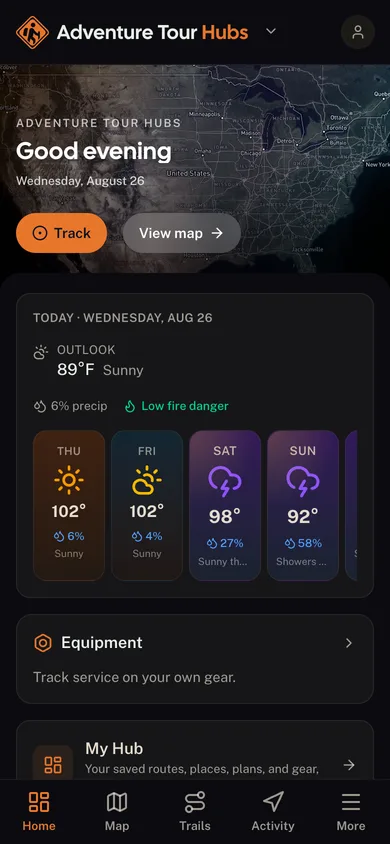
The Adventure Tour Hubs app dashboard

For operators

Run your adventure business?
Launch your branded surface.

Get your own branded surface in the Adventure Tour Hubs app and a directory listing in minutes. bookings, digital waivers, and your whole operation in one cockpit.