Adventure Tours · Washington
Adventure Toursin Washington
Explore 20 tour operators across Washington. Maps, hours, contact info, photos, and verified operator profiles, all in one place.
North Cascades, the Olympics, and 3,000 miles of saltwater coastline.
About Washington
Best time to go
When to go in Washington
June through October.
- July–September: the reliable dry-weather adventure window
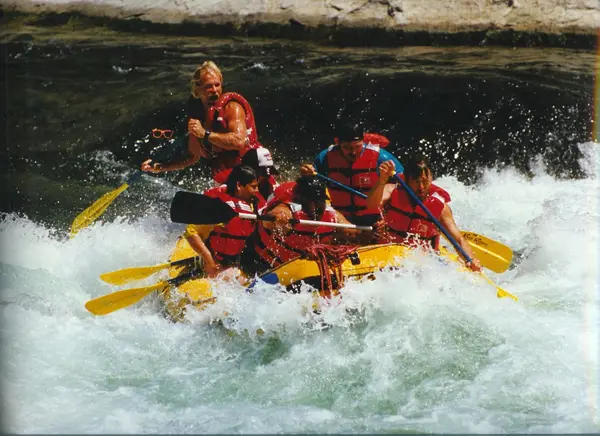
- Spring rafting is excellent but cold, so dress for immersion
- Pack rain gear even in summer near the coast and mountains
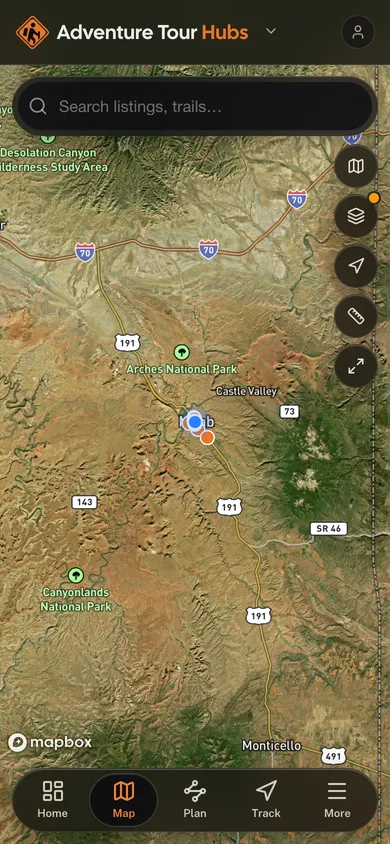
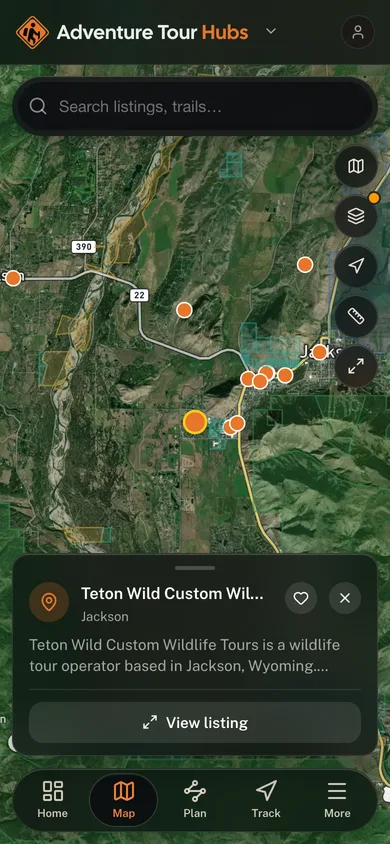
20 on the map
Tap a pin to open its profile.
Quick facts
- Tour operators listed
- 20
- Best season
- June through October
All listings
20 tour operators
across Washington
Plan your trip
Plan your trip to Washington
Activity Availability
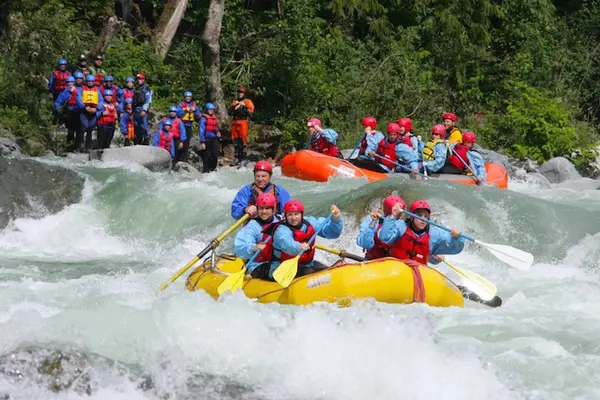
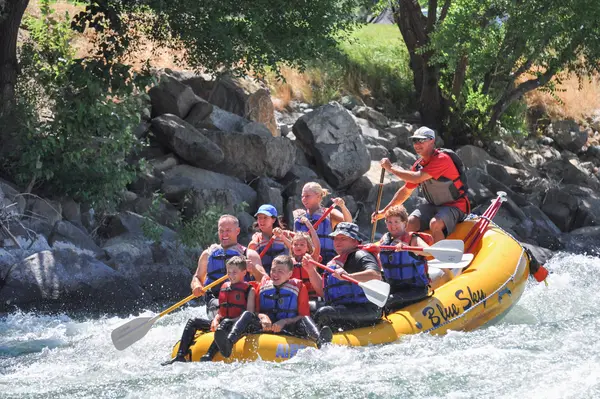
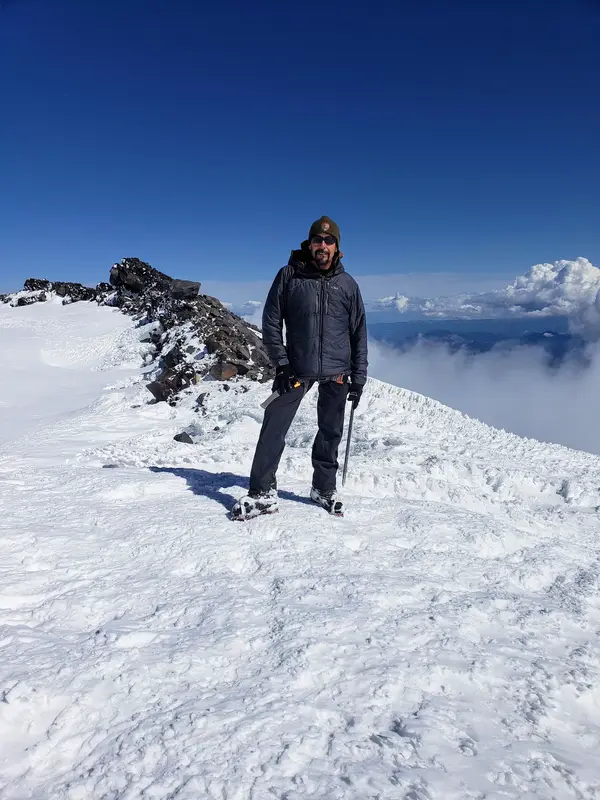
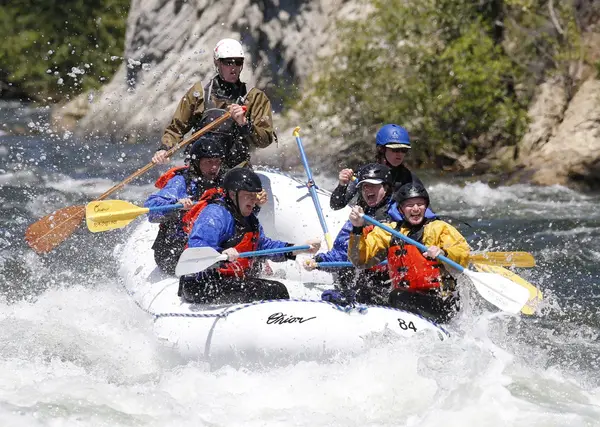
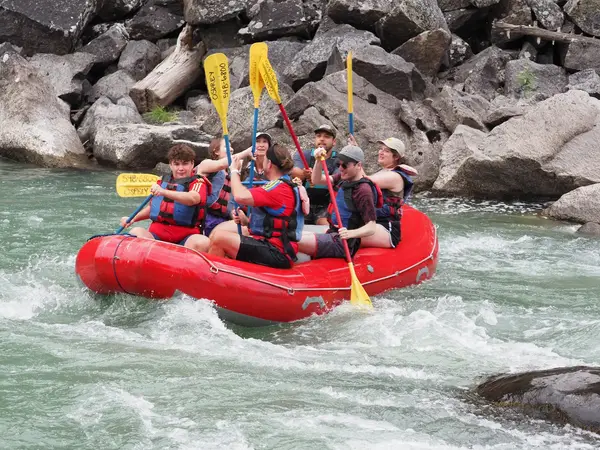
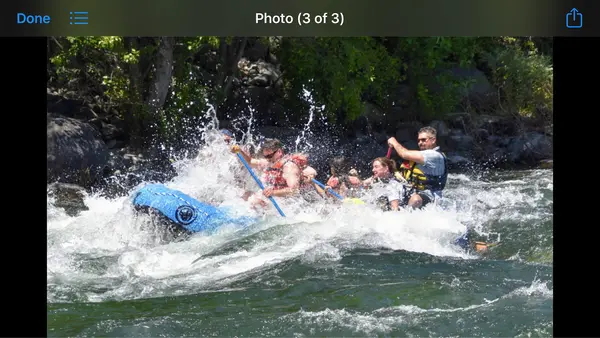
Many signature activities in Washington are highly seasonal. Whitewater rafting is best during spring and early summer snowmelt, while alpine climbing and extensive backpacking are primarily summer pursuits. Snowmobiling and backcountry skiing are exclusive to winter. Always confirm seasonal availability with operators before planning a trip.
Permits and Booking
Access to many of Washington's natural areas, especially within National Parks and Wilderness Areas, requires permits. Guided tour operators typically handle all necessary permits for their trips. It is advisable to book guided tours well in advance, particularly for popular activities during peak seasons, as availability can be limited.
Fitness and Experience Expectations
Guided tours in Washington range from leisurely scenic floats to strenuous multi-day mountaineering expeditions. Operators will typically outline the required fitness level and any prerequisite experience. Be realistic about your capabilities and communicate openly with your guide about any concerns or limitations.
What an Operator-Led Trip Includes
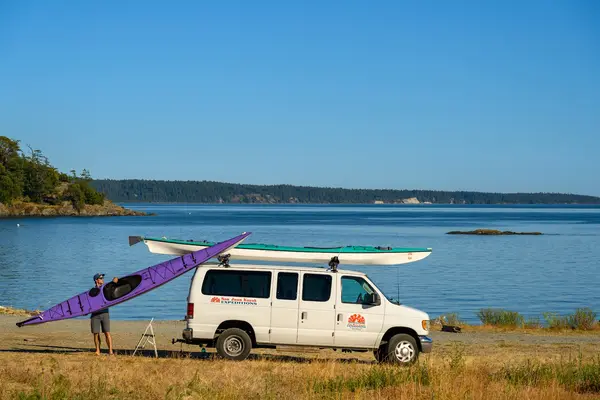
Most guided tours in Washington include professional instruction, specialized equipment (e.g., rafts, climbing gear, kayaks, snowmobiles), safety briefings, and transportation to and from the activity site. Meals and accommodations may be included for multi-day trips. Personal gear such as appropriate clothing, water bottles, and snacks are usually the participant's responsibility.
Safety and Conditions
Washington's diverse terrain means conditions can change rapidly. Guided tour operators prioritize safety and are experienced in navigating various weather and environmental challenges. Participants should always follow guide instructions, be prepared for varying weather, and inform guides of any medical conditions.
Confirm current requirements with the state agency before your trip. Rules and fees change every season.
Washington Fishing License
A valid Washington fishing license is required for anyone 15 years or older to fish for game fish, shellfish, or seaweed in the state. Specific endorsements may be needed for certain species or areas. Guided fishing tour participants must ensure they have the appropriate license.
Washington Department of Fish and WildlifeBoater Education Card
Operators of motorized vessels 15 horsepower or greater, and all personal watercraft operators, must possess a Washington State Boater Education Card. While guided rafting or kayaking trips typically involve a licensed guide, participants operating their own motorized craft during a tour must comply.
Snowmobile and ORV Registration
All snowmobiles and Off-Road Vehicles (ORVs) operated on public lands or designated trails in Washington must be currently registered with Washington State Parks. Guided snowmobile or ORV tour participants often ride rented, registered vehicles, but it is important to confirm this with the tour operator.
Hunting License and Tags
Anyone participating in a guided hunting tour in Washington must possess a valid Washington hunting license, along with any necessary tags for the specific game species being pursued. Hunter education requirements also apply for first-time hunters. Verify all requirements with the Washington Department of Fish and Wildlife.
- 01
1. Define Your Adventure Type and Season
Water, mountains, or snow, decide which pull is strongest, then check it against when you can travel. That single choice cuts Washington's enormous menu down to something manageable.
- 02
2. Research Regions and Activities
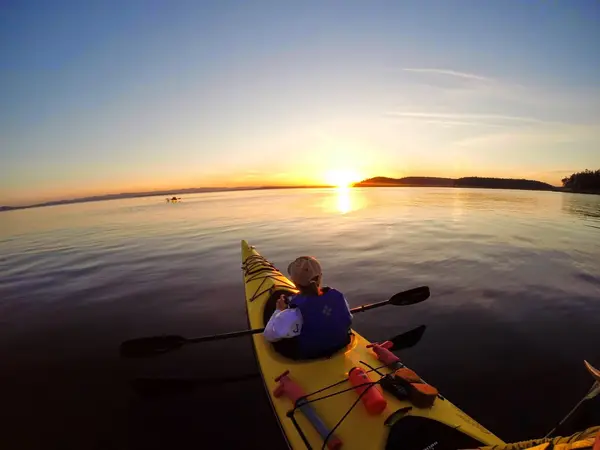
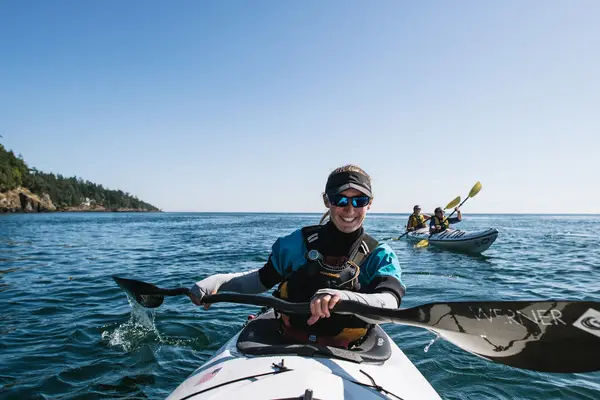
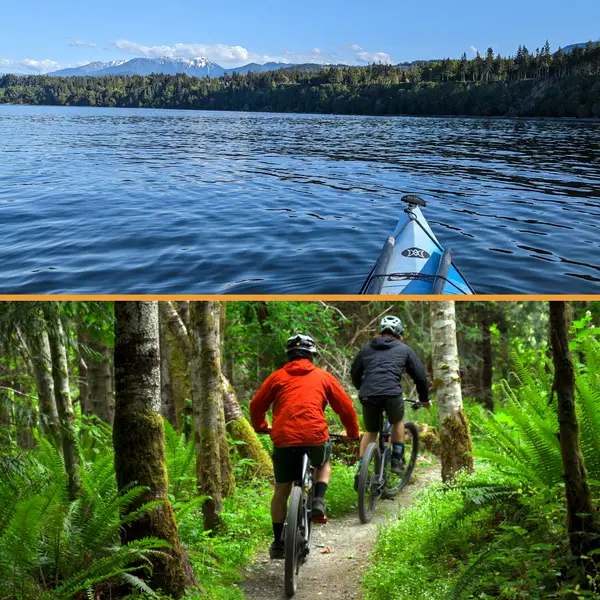
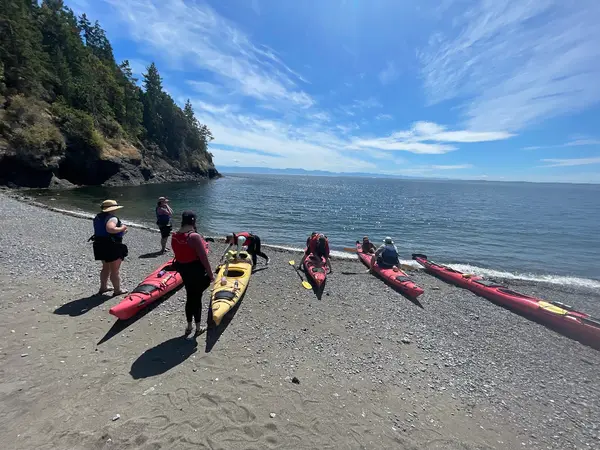
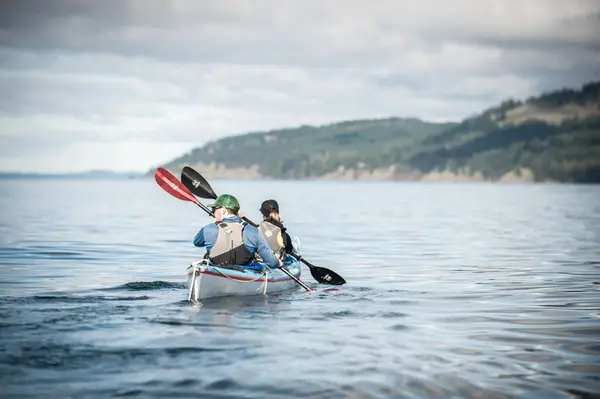
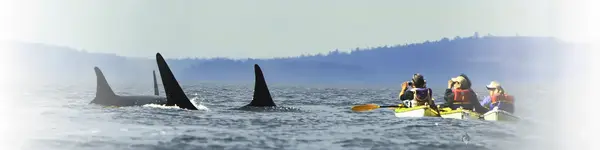
Match the trip to the region that does it best: the Cascades for climbing, the San Juans for kayaking, Eastern Washington for horseback. Geography does most of the sorting for you.
- 03
3. Evaluate Fitness and Experience
Be honest about your conditioning and background. Operators publish clear expectations for a reason, pick the trip you can finish well, not just start.
- 04
4. Select and Book a Tour Operator
Find an outfitter who specializes in your activity and territory, then book early. Peak-season dates and small-group trips fill first.
- 05
5. Prepare for Your Trip
Work through the operator's packing list and pre-trip notes. Sort your clothing and personal gear, and confirm which permits or licenses, if any, are on you rather than the outfitter.