Planning Multi-Day Expeditions in the National Parks
National parks offer some of North America's most rewarding backcountry experiences, but not all parks are created equal for guided multi-day trips. Choosing the right destination depends on your fitness level, the season you want to travel, and whether you're drawn to high alpine terrain, desert landscapes, or forested river valleys. Multi-day expeditions require advance permits, reliable guide services, and realistic assessment of your party's capabilities, rushing this decision leads to permit cutoffs or degraded experiences on the trail.
This guide focuses on parks where a reputable guided outfitter meaningfully improves your expedition: better route knowledge, established camp protocols, and the safety net of experienced leaders when weather or terrain gets serious. We've excluded parks where day-hiking and shuttle services dominate, and focused on places where overnight wilderness immersion is the core experience.
Assessing Park Difficulty & Permit Systems
Every national park manages backcountry permits differently, and those systems directly shape your planning timeline and permit availability. Some parks use a lottery system months in advance; others allocate permits on a first-come, first-served basis starting weeks before your trip. Guided outfitters typically have established relationships with permit offices or reserved allotments, which shifts the constraint from securing a permit to choosing a qualified guide.
Difficulty grading across parks is not standardized. A "moderate" multi-day trek in one park might mean hiking 12 miles daily with 2,000 feet of elevation gain; in another, it means eight miles with less gain but above-treeline exposure and route-finding challenges. Guides familiar with a specific park understand these local definitions and can match your group's abilities to realistic daily distances and terrain. Before committing to any expedition, ask your guide for daily mileage, elevation profile, and water availability, and be honest about your fitness level. Guides specializing in a park see dozens of groups each season and can quickly identify when an itinerary needs adjustment based on your experience.
High-Alpine & Peak-Bagging Expeditions
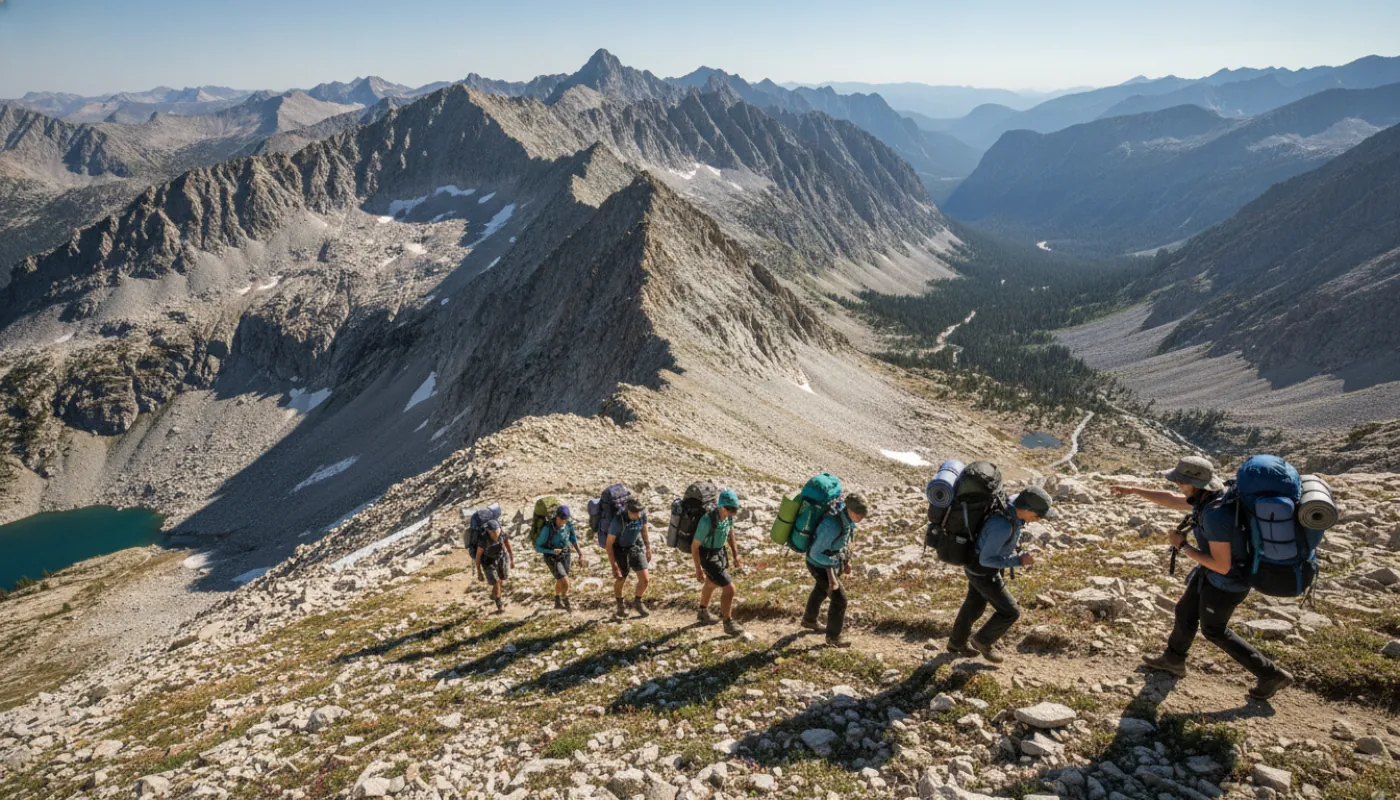
Rocky Mountain parks (including those in Colorado, Wyoming, and Montana), attract expeditions focused on summiting or traversing high alpine terrain. These parks demand strong cardiovascular fitness, comfort with scrambling or light climbing, and immediate turnaround if weather deteriorates. Many outfitters in these regions offer 4–7 day trips that reach treeline passes and establish high camps, taking advantage of a short summer season running June through September.
Permit systems in these parks are usually reservation-based rather than lotteries, with request windows opening a few months ahead, commonly two to six months, depending on the park. A guide service can either hold permits in their name or help you navigate the application process, sometimes securing group slots that individual hikers wouldn't find available. Physical conditioning is non-negotiable here, most groups spend 6–8 weeks preparing, focusing on hill repeats and weighted pack hikes at elevation. Guides will specify required fitness benchmarks upfront, and reputable outfitters screen participants honestly rather than overselling their capabilities. Weather in high alpine zones shifts rapidly; your guide's decision to turn back or delay a summit push keeps everyone safe.
Desert & Canyon Multi-Day Journeys
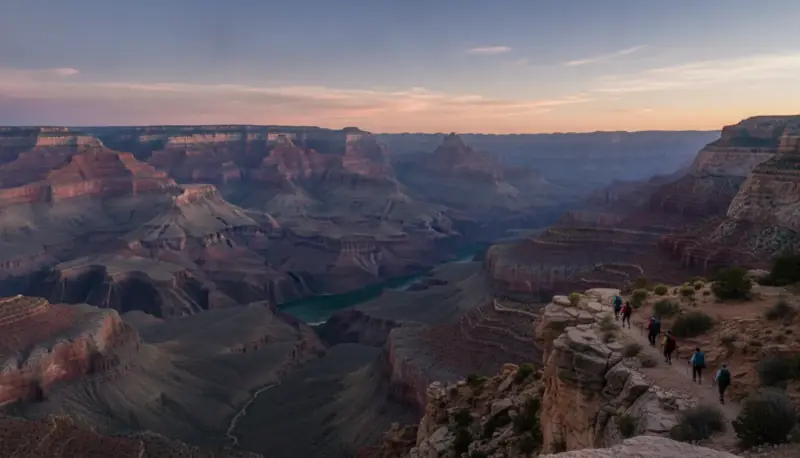
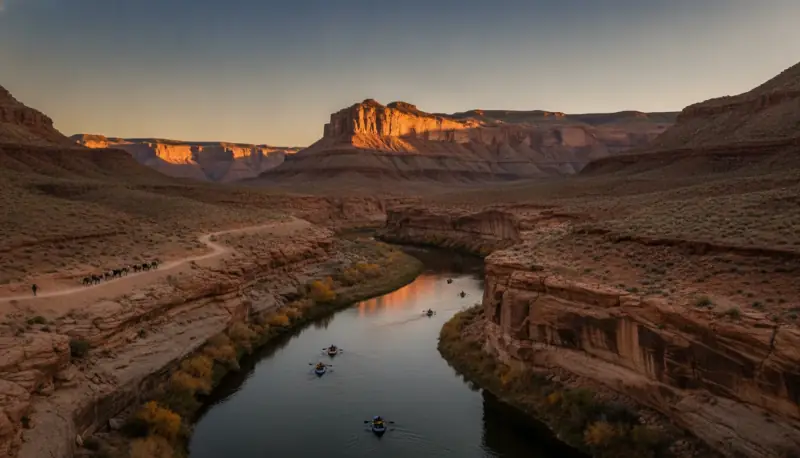
Desert parks in the Southwest offer longer, more remote expeditions than alpine terrain. Multi-day canyoneering trips, desert backpacking routes, and river expeditions through narrow gorges attract travelers seeking solitude and dramatic landscape. Permit systems in desert parks are often more permissive than alpine parks, some allow walk-up permit requests, but logistics are substantially more complex. Water sources are scarce and sometimes unreliable; outfitters specialize in routes where water can be reliably cached or where vehicles resupply camps between segments.
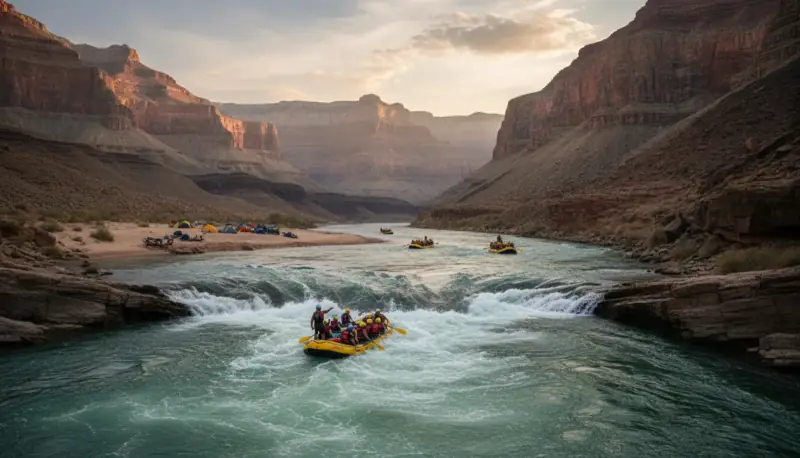
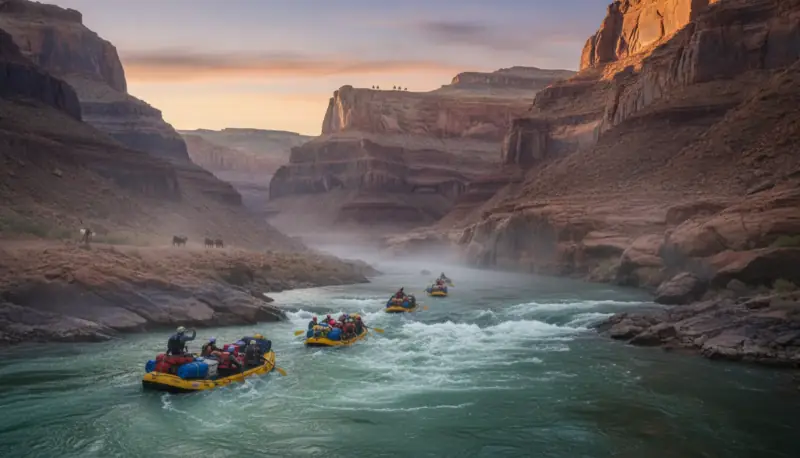
River-based expeditions in canyons require specialized skills, including reading whitewater, managing boats, and camping on established beaches. Outfitters holding permits for these trips provide all equipment and logistics, making river expeditions more accessible to novice paddlers than self-guided trips. Desert temperatures swing dramatically between day and night, especially in shoulder seasons, and guides trained in desert travel know how to layer appropriately and manage water intake during long hiking days. A 4–6 day desert expedition typically covers 20–30 miles spread across extended daily walks and frequent rest days to acclimatize.
Choosing Expedition Length & Timing
Most guided multi-day expeditions run 3–7 days, with 4–5 days being the most popular. Shorter trips work well for first-time backcountry travelers or those limited by vacation time; longer expeditions suit experienced hikers or those making the investment of international or remote travel worth the effort. Timing affects both permit availability and physical demands, early-season trips in alpine parks (May–June) often encounter snow and require additional technical skills, while late-summer trips offer longer daylight but face more crowding and hotter temperatures.
Cost varies widely depending on park, season, and outfitter. Budget roughly $250–400 per person per day for guided services in popular parks, with premium remote expeditions or fully catered trips running higher. Most outfitters include guide services, camping permits, and meals; verify what's covered before booking. Book established operators at least 2–3 months in advance for summer trips, and 4–6 months ahead if you're traveling during peak season (July–August) or to highly competitive parks.
Essential Preparation & Gear
Guided expeditions require far less gear than self-guided trips: your outfitter provides tents, stoves, and cookware. Bring a quality backpack (50–65 liters), sleeping bag rated for the lowest expected temperature, sleeping pad, and layers suited to the season and terrain. Break in your boots well before the trip; blisters on day two become miserable by day four. Most guides recommend a half-day shakedown hike at least two weeks before departure to test your pack and identify comfort issues early.
Fitness training matters more than gear. Spend the 6–8 weeks before your trip building aerobic capacity and strength. Long hikes on weekends with a loaded pack are irreplaceable; gym training alone won't prepare your legs and feet for five consecutive days of hiking. Expect guides to ask about your training plan and to give honest feedback if your preparation is insufficient. Water, sun protection, and blister prevention are the most common issues guides see on the trail. Drink constantly even when you're not thirsty, especially at altitude or in dry climates. Use sunscreen and a wide-brimmed hat, sunburn on day one makes day three painful. Bring blister supplies (moleskin, athletic tape) and apply them immediately at the first sign of a hot spot. These small details transform a trip from a grind into genuine joy.