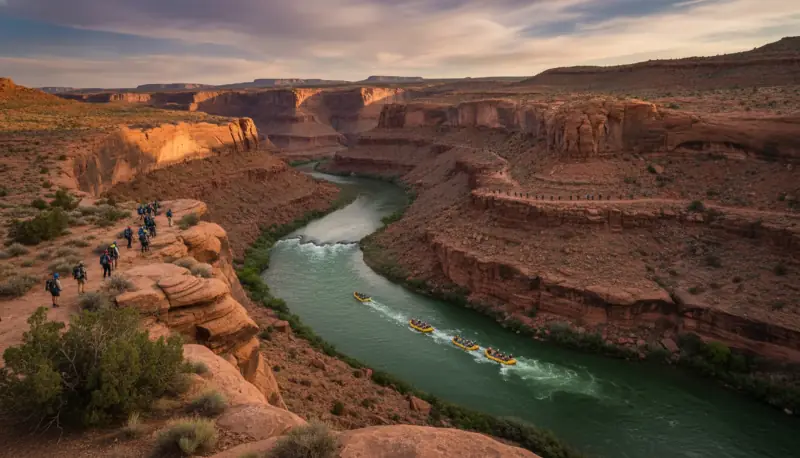
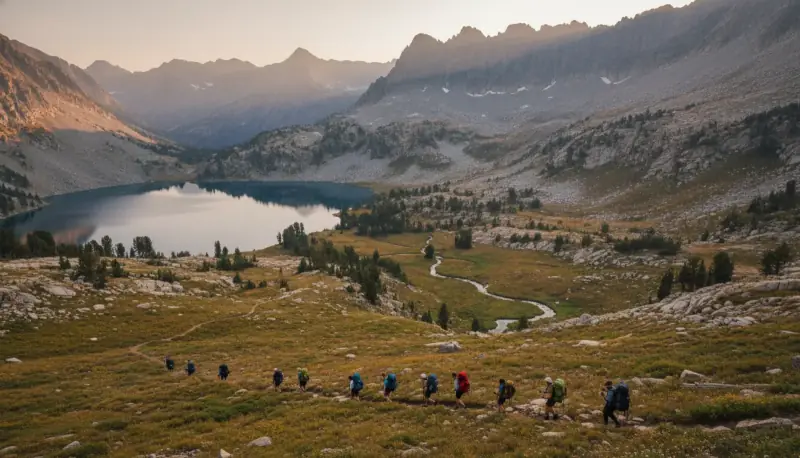
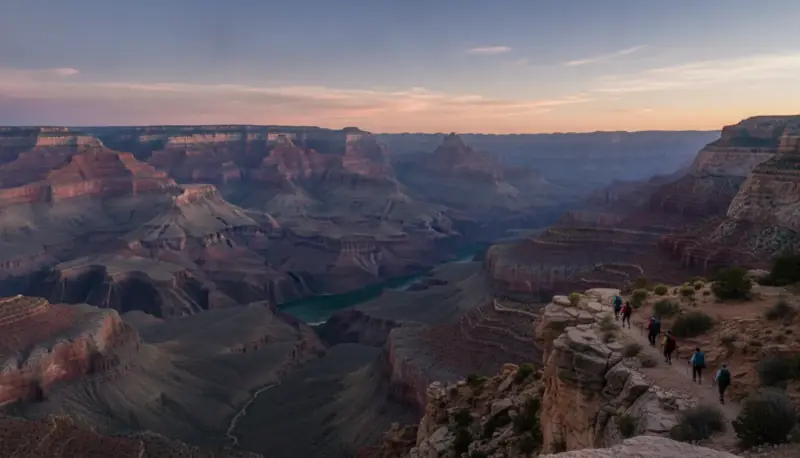
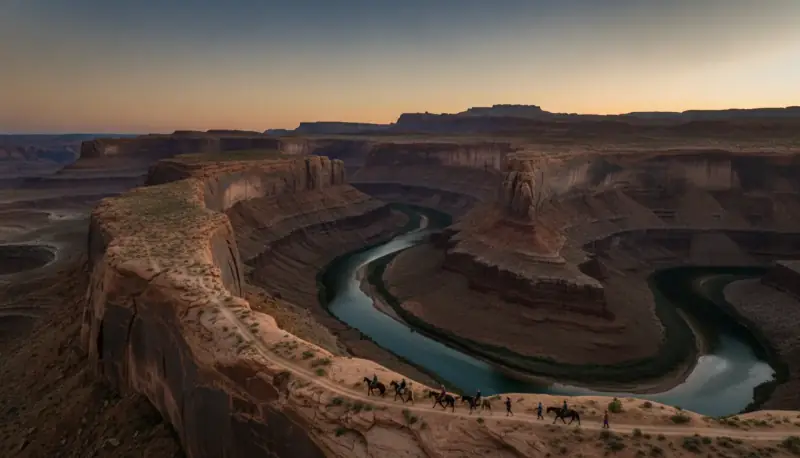
Backcountry permits are the gatekeepers between you and some of America's most pristine wilderness. Whether you're planning a multi-day backpacking trip through the Sierra Nevada, a climbing expedition in Yosemite, or a remote river traverse in Utah, a permit stands between your vision and reality. The system is fragmented: some lands operate lottery draws, others hand out permits on a first-come, first-served basis, and a few still require you to apply in person or by phone. The good news is that once you understand how each agency works (and crucially, what parts a guided operator can handle for you), the process becomes manageable. This guide walks you through the major permit types, the platforms that deliver them, and the strategies that improve your odds of securing the trip you want.
Understanding Backcountry Permit Types
Not all permits are created equal. The wilderness areas managed by the National Park Service, U.S. Forest Service, and Bureau of Land Management each operate under different rules, reflecting their management philosophies and the demand they face. National parks tend to be the most restrictive. Yosemite's wilderness requires a permit, and competition is fierce during peak season. Most parks cap the number of people entering the backcountry each day, dividing those slots among trailheads and campsites. The Grand Canyon, Yellowstone, and Rocky Mountain National Park all issue permits that determine where and when you can camp. These permits are tied to specific campsites and dates, you can't be flexible once your permit is in hand.
Forest Service lands offer more breathing room. Many national forests don't require permits at all, while others operate on a self-permit basis, where you simply fill out a form at the trailhead or a nearby ranger station. Where permits are required, they're often less competitive than their national park equivalents. Some popular forests, like the Inyo National Forest in the Eastern Sierra, do require permits for certain routes, but many slots remain available throughout the season. Bureau of Land Management areas rarely require permits, though some locally popular spots near cities have restrictions. The BLM's general stance is more permissive than the Park Service, and that philosophy translates to fewer bureaucratic hoops and greater flexibility in trip planning.
The Lottery System and Recreation.gov
Recreation.gov has become the de facto platform for high-demand permits in national parks, and understanding its lottery mechanics is essential. Most parks now accept permit requests through the site during a specific window, commonly opening a few months in advance, and then conduct a random drawing. It sounds simple: you enter the lottery and wait. The reality is more nuanced, and your odds depend on both strategy and luck.
The standard approach is to submit one request per person for the dates you want. Popular parks like Yosemite and the Grand Canyon draw tens of thousands of requests during their application windows (Yosemite's lottery window runs a week, the Grand Canyon's about two weeks, not a single frantic day), yet only a fraction are granted. Your odds are genuinely low during peak season in the most popular parks, but they improve substantially if you're willing to be flexible. Some parks allow you to request alternate dates in the same application window. If you're willing to go in June instead of July, or to visit lesser-known areas within the park, your chances improve. The parks don't publish exact winning percentages, but guides and outfitters who work with these systems year-round report noticeably higher success rates for off-peak dates and alternative routes.
The lottery interface itself has quirks worth knowing. Recreation.gov occasionally experiences traffic congestion during peak application windows when millions of users submit simultaneously. Some applicants have reported being locked out or having submissions fail silently. The safest approach is to submit your application well before the deadline, not in the final minutes, and to have a backup internet connection ready. A mobile hotspot can save your application if your home Wi-Fi drops at a critical moment.
Non-Lottery Permit Strategies
Lottery systems aren't your only path to a backcountry permit. Several time-honored alternatives exist, and they often carry better odds than you might expect. The first-come, first-served model remains in use at many Forest Service lands and some national park satellite offices. These permits are released online at a set time on the date they become available, commonly in the morning (Yosemite and Inyo drop their rolling releases at 7:00 a.m. Pacific), not midnight, or over the phone during business hours. For first-come, first-served permits, arriving at the exact release time and refreshing the moment the window opens gives you a genuine shot, even at popular areas. The person who refreshes precisely when the permit window opens can secure a slot before capacity fills.
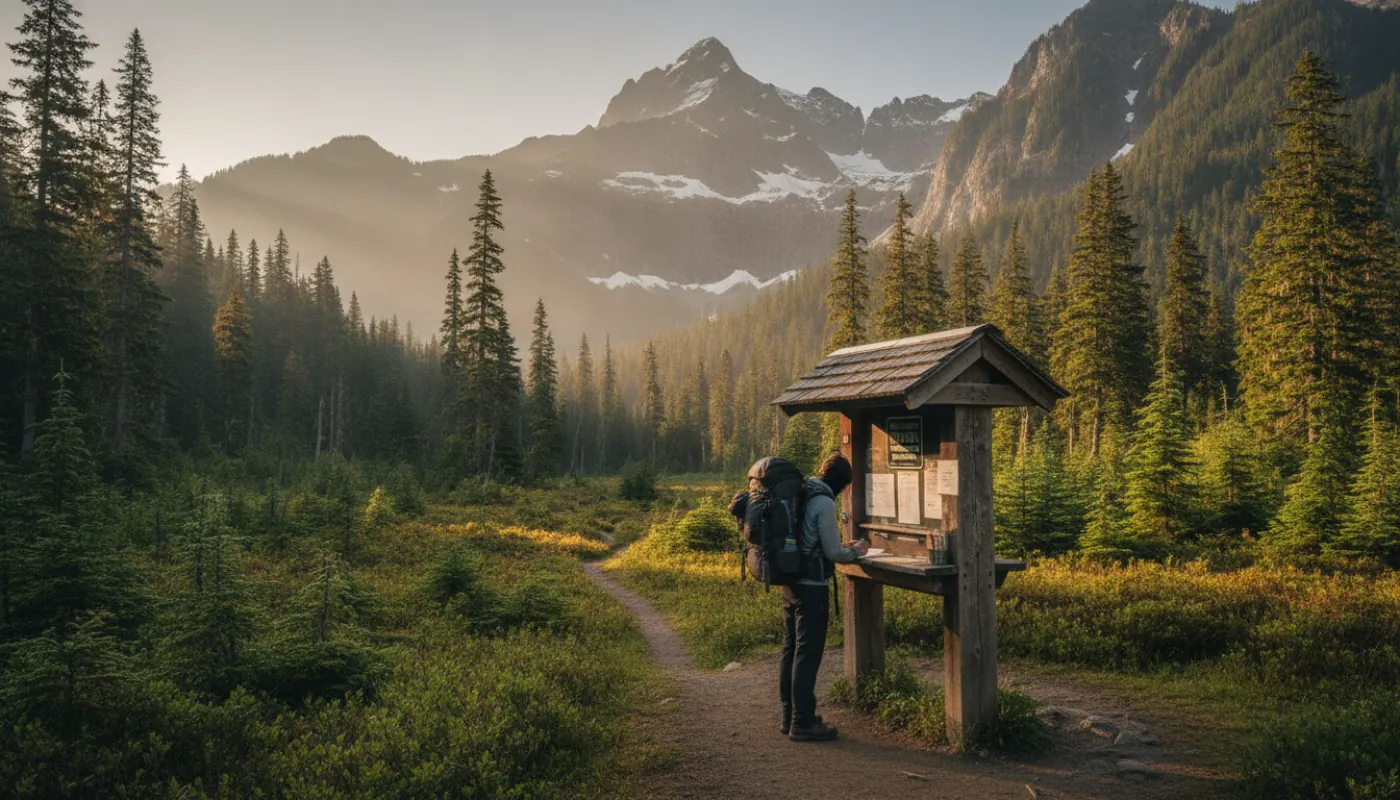
In-person permitting is making a comeback, especially at ranger stations near popular trailheads. This option requires advance planning, you may need to visit the ranger station days or weeks ahead to reserve your dates in person. Some parks deliberately reserve a small allocation of their nightly campsites for walk-ups or in-person applicants, acknowledging that a portion of the hiking population either can't navigate online systems or wants flexibility that a fixed permit date can't provide. A ranger station visit also gives you a chance to ask questions about water sources, current trail conditions, and wildlife activity that you'll encounter on your route. The information you gain often justifies the time invested.
Phone permitting still exists at several agencies, particularly for complex trips that benefit from staff guidance. The Grand Canyon, for example, opens a phone line where you can speak to a real person who can answer questions about your itinerary while you submit your permit request. This approach works best if you have a specific route in mind and genuine questions about logistics. Call at the opening of the reservation window to maximize your chances, and have your proposed dates, party size, and alternate dates ready before you dial.
What Guided Operators Handle for You
One of the most overlooked advantages of booking a guided trip is that professional operators frequently hold permits or can secure them far more easily than individuals can. Many outfitters hold annual or seasonal allocations of permits for popular routes, they apply as commercial operators and receive guaranteed slots in exchange for paying a commercial use fee. This guaranteed allocation is a massive advantage. If you book a guided multi-day hiking trip or climbing expedition through a licensed operator, you're often bypassing the lottery entirely and gaining certainty months in advance.
This advantage varies by location and trip type. A guide service running regular trips on an established route (say, a backcountry traverse in the Pecos Wilderness or a multi-pitch climbing objective in a national park), typically obtains its permits through a commercial operating agreement with the managing agency. These agreements come with guaranteed permit availability, provided the outfitter submits required paperwork on time. The operator's permit cost includes a commercial use fee, which is reflected in your trip price, but the certainty is worth it. Not all guided trips include permit fees in their pricing, so ask directly. Some outfitters quote a trip cost and add permit fees separately. Others bundle everything. The transparency matters for budget planning and helps you compare options fairly against the lottery route.
For trips in less-regulated areas, backcountry on BLM land or some Forest Service terrain, your guide may not need a permit at all, but you should confirm this before booking. The absence of a permit requirement doesn't mean no regulations apply; you're still responsible for Leave No Trace practices, fire regulations, and any local seasonal closures. A professional guide will brief you on all applicable restrictions and explain why they matter for protecting the landscape you came to experience.
Permit Planning Timeline and Preparation Checklist
Successful permit acquisition requires planning months in advance. For wilderness areas using the recreation.gov reservation system, applications open roughly five to six months before your desired trip date: the Inyo National Forest, for instance, releases the bulk of its wilderness-permit quota on a six-month rolling basis (apply Feb. 1 for an Aug. 1 start), while Yosemite runs a weekly wilderness-permit lottery on a 24-week window. The exact mechanics vary by agency, so confirm the system for your specific trailhead. If you're targeting peak summer season in a popular park, you should be ready to apply the moment the window opens. Set phone reminders, clear your calendar for that day, and have your party size, preferred dates, and alternate dates decided beforehand. Delays or indecision cost seconds you can't recover.
For first-come, first-served permits, the timeline is tighter. These permits often become available one to three months before the trip date. Research the specific agency's website now, don't wait until you're ready to apply. Bookmark the permit application page, understand the exact release date and time, and test your login credentials if you're using an existing account. On the release date, plan to be at your computer at least 15 minutes before the window opens. Internet speed matters; wired connections outperform Wi-Fi for this high-stakes moment. Create a checklist that covers all logistics: verify your group size and whether you'll include children or dogs, as some permits limit these. Confirm that your intended trailhead is actually permitted under your permit, some parks require permits for certain routes but not others. Check water availability along your route using agency maps and recent trip reports. Finally, if you're considering a guided trip, reach out to outfitters now so you can compare availability and pricing against the lottery odds. A guided trip with a guaranteed permit might be the better deal than spending five months hoping for a lottery slot.